Pillow Repose Headboard
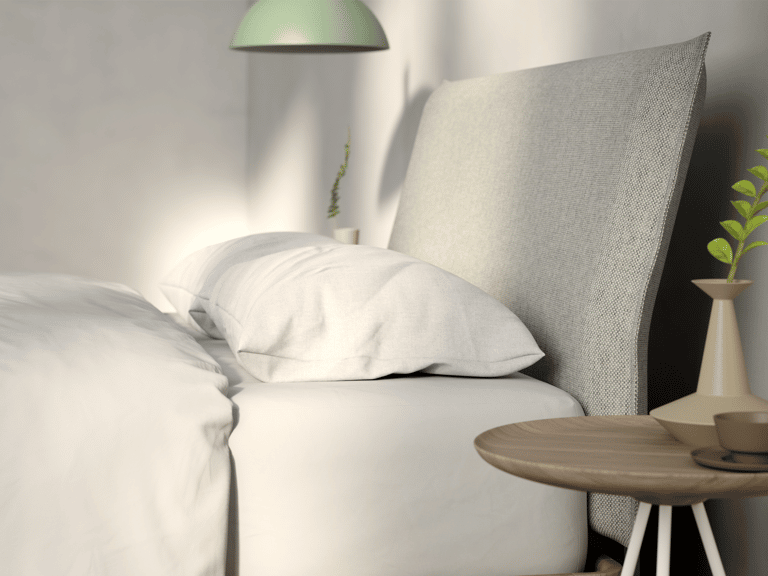
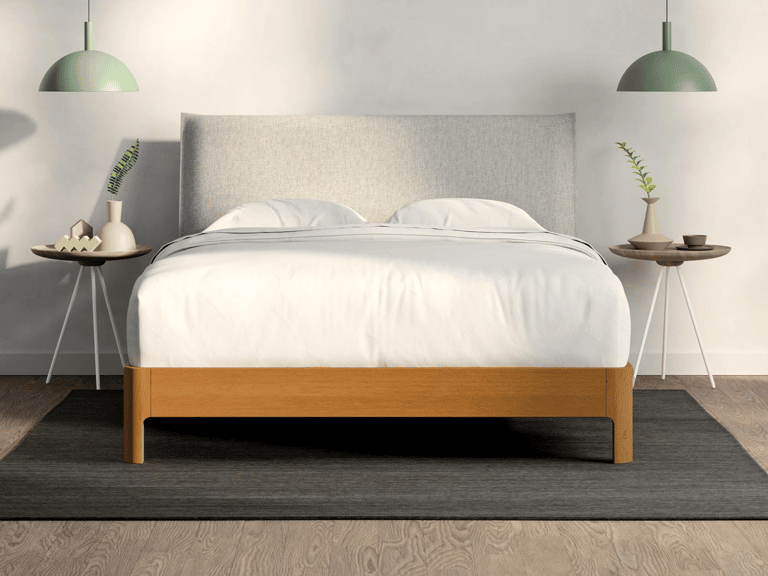
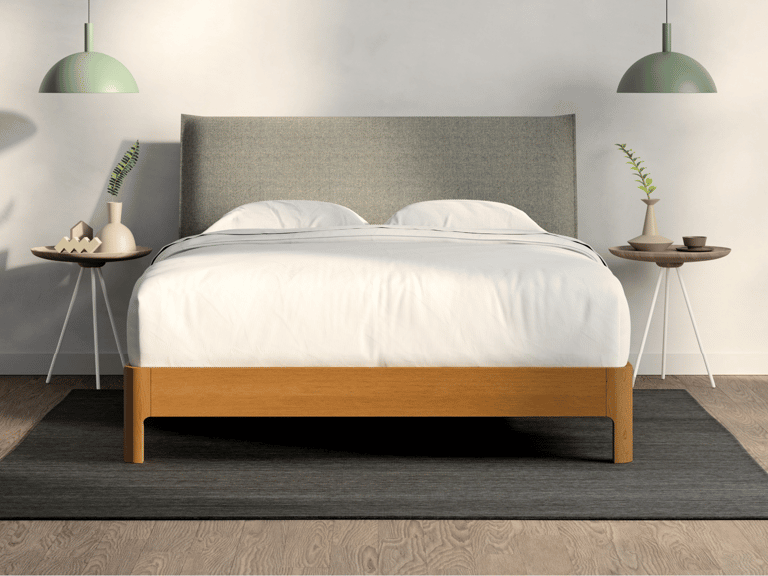
Cozy, cushioned backrest and clean, neutral styling for the Casper Repose Bed Frame—perfect for comfy reading, dressing, or movie nights, with secure, seamless integration into your sleep space.
This guide helps readers navigate organic mattress options by comparing common materials, understanding certifications, and translating comfort goals into practical shopping tips. It highlights reputable brands and real-world considerations for sustainable sleep.
Published: September 30, 2026
In a world where everything from clothing to consumer electronics touts chemical-free claims, the bed where we spend a third of our lives often escapes the same scrutiny. An organic mattress isn’t just about avoiding synthetic foams or pesticides; it’s about a holistic approach to sleep health. It blends comfort, durability, and environmental stewardship into a single nightly ritual. For many, the journey toward an organic bed begins with a few guiding questions: What materials are truly natural? Which certifications reliably signal health and sustainability? And how do these choices translate into real-world comfort for different sleepers?
As we explore, we’ll meet three influential voices from different eras who shaped how we think about rest, design, and a humane approach to materials—figures whose ideas still echo in today’s bedding aisles and design studios.
Organic mattresses typically emphasize a few core materials. Natural latex offers a responsive yet buoyant feel with excellent pressure relief and durability. Organic cotton provides a breathable, chemical-free fabric shell resistant to dyes and harmful finishing processes. Wool adds temperature regulation and moisture-wicking properties, often assisting with climate control in multiple climates. Blends—such as cotton-latex hybrids or cotton-wool combinations—seek to balance the best traits of each material.
When evaluating these components, readers should consider:
Brand narratives around organic beds often weave stories of hand-tufted wool layers, botanical-based finishes, and zero-emission manufacturing. The practical takeaway is to identify a combination that aligns with your sleep position, temperature preferences, and budget while prioritizing non-toxic certifications.
Certifications act as signals of health, safety, and environmental responsibility. In the world of organic mattresses, several trusted bodies dominate the conversation, each with its own verification method and scope. Key players include:
Reading labels requires understanding both the scope and the limits of each certification. For example, a mattress may feature a GOTS cotton cover and a GOLS latex core, delivering a clearly defined organic composition. However, the presence of non-organic foams in a comfort layer can complicate the overall organic claim. The practical approach? Favor mattresses with comprehensive certification coverage across core components—cover, core materials, and any padding or quilting fabrics.
Comfort is subjective and multifaceted. When shopping for an organic mattress, consider how materials interact with your body, sleep position, and seasonal temperature shifts. Here are actionable steps to translate your values into a sound purchase:
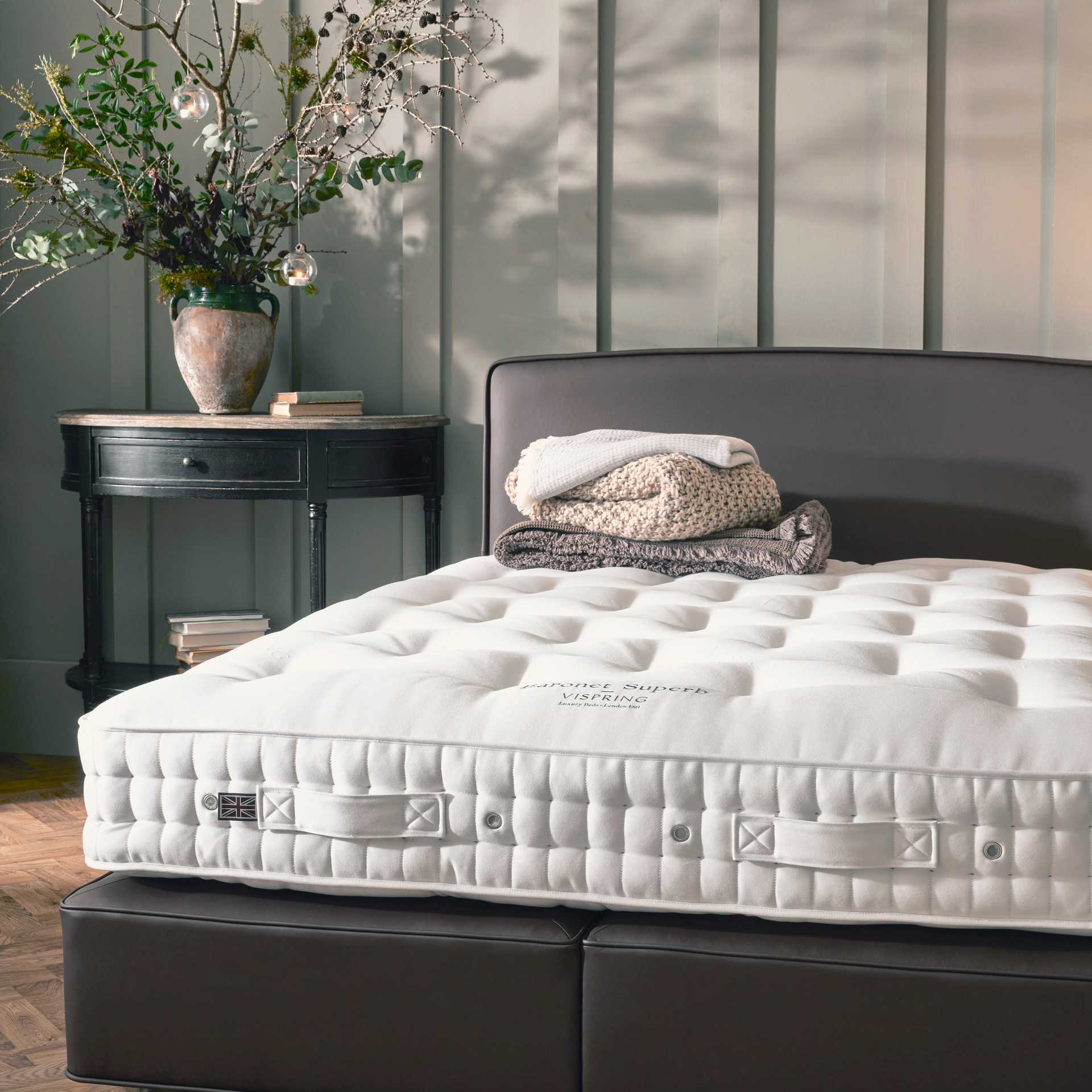
For readers who want concrete brand exemplars, notable names frequently tied to organic mattresses include Naturepedic, Vispring, Sleep and Beyond, and The Clean Bedroom. Each brand brings a distinct approach—ranging from pure organic constructions to carefully balanced blends—demonstrating the breadth of craft within sustainable sleep.
Across decades, three influential figures have left marks on design, textiles, and our collective understanding of comfort. While not all were mattress-industry players, their ideas foreshadow modern sensibilities about materials, wellness, and the ethics of production.
Though primarily known as a polymath of Renaissance Europe, da Vinci’s relentless curiosity about materials and human comfort resonates with modern design thinking. His explorations of structural integrity and natural materials echo today’s emphasis on performance fabrics and wooden structures in bed frames and foundations. While not a mattress innovator, his interdisciplinary spirit inspires a holistic approach to space, comfort, and function.
A pioneer of modern sanitation and patient care, Nightingale’s emphasis on cleanliness, evidence-based practice, and humane environments informs today’s bio-safety mindset in textiles and manufacturing. Her legacy nudges the mattress world toward non-toxic production, responsible sourcing, and designs that support long-term health and well-being for sleepers and caregivers alike.
A pioneer in surface chemistry, Blodgett’s work on thin films and coatings informs how finishes and protective layers on bed textiles can enhance durability, stain resistance, and hypoallergenic properties without compromising breathability. Her legacy underscores the importance of safe, advanced coatings in consumer textiles and bedding.
The Pillow Repose Headboard is a thoughtful addition for those who want comfort to follow them from resting to reading and light conversation. Designed for the Casper Repose Bed Frame, this headboard turns a bed into a seating-friendly sanctuary. Its cushioned backrest offers support for laptops, books, or a cozy chat at the end of a long day. The neutral light-gray finish blends with diverse interiors, making it a versatile centerpiece for a sleep space focused on calm and function.
This headboard is more than a design flourish; it embodies a philosophy of waking rest—the idea that a sleep space should invite both deep sleep and relaxed moments of downtime. The Pillow Repose Headboard is a practical focal point for a bedroom that pairs organic mattresses with modern, low-VOC finishes and sustainable wood accoutrements.
Casper | Light Gray
$695.00
By aligning materials, certifications, and personal comfort preferences, you can nurture a sleep environment that’s healthier for you and kinder to the planet. The romance of a good night’s sleep is grounded in thoughtful choices—about what you rest on, what you breathe in, and how you wake up ready to greet the day.
As consumer awareness grows, the market for organic mattresses is expanding beyond single-ingredient products to holistic sleep ecosystems. Foundations, sheets, pillow systems, and even headboards like the Pillow Repose Headboard are being designed to integrate with sustainable materials, transparent supply chains, and consumer-friendly policies. The future of sleep is not merely about a mattress; it’s about an entire room that supports mindful living, healthy lungs, and a calmer mind at bedtime.
For readers who want a concise starter path, begin with a certified organic mattress core (latex or hybrid blends), pair it with organic cotton sheets, and complement with a breathable, low-toxic headboard or foundation. With the right certifications in place and a focus on your unique comfort profile, you’ll transform your bedroom into a sanctuary where rest, restoration, and responsible design converge.